
Can’t-Miss Training Methods for Border Collies
Training Principles
- Positive Reinforcement
Border Collies are very sensitive to their owners’ emotions and feedback. Positive reinforcement methods should be mostly adopted during training. When the dog completes a specified action, promptly give rewards such as snacks, strokes, or verbal praise to enhance its enthusiasm. - Consistency
Training commands and rules should be consistent. Use fixed passwords, such as “sit”, “come”, etc. Ensure that all family members use the same commands and rules to avoid confusing the Border Collie. - Step – by – Step
Training should progress from simple to complex, gradually increasing the difficulty. Don’t be too hasty; give the Border Collie enough time to adapt and learn. - Short – term and High – frequency
Although Border Collies are intelligent, their attention – span is limited. Each training session should be controlled within 10 – 15 minutes, and multiple training sessions can be carried out every day to maintain their interest and focus on training. - Patience and Encouragement
During the training process, the owner should be patient and avoid punishing or scolding the dog for its poor performance. Punishment may cause the dog to develop fear or resistance, which is not conducive to training.
Training Stages and Methods
- Basic Command Training (3 – 6 months)
Start with simple commands like “sit”, “shake hands”, and “come back”. For example, for the “sit” command, the owner can hold a snack in front of the Border Collie’s nose and slowly move it upward, making it naturally look up and sit. When it sits, immediately say “sit” and give a reward. For “come back” training, in a safe environment, hold a snack in your hand, call the Border Collie’s name, and cooperate with the gesture of coming. If the dog doesn’t come, you can attract it by clapping your hands, etc. When the dog runs over, give a reward. - Intermediate Challenges (6 – 12 months)
Add complex commands such as “wait” and “cross the obstacle”. For example, in “wait” training, let the Border Collie sit or lie down, then stretch out your palm and say “wait”, while taking a step back. If the dog keeps still, immediately return and give a reward. Gradually increase the waiting time and distance. You can also use the Border Collie’s natural herding instinct to design chasing games to train it to obey commands. - Advanced Training (over 12 months)
Intelligence games such as puzzle toys and object – finding training can be developed. At this time, professional props such as agility training bars can be introduced, and physical fitness and concentration can be improved through parkour tracks.
Socialization Training
Take the Border Collie to meet different people, animals, and environments to help it establish good social skills and avoid timid or aggressive behaviors. During socialization, if the Border Collie behaves friendly, give praise and rewards; if it barks or retreats, use snacks to reward its calm behavior.
Dealing with Common Problems
- Distracted Attention
Try to keep the training environment simple and reduce distractions. You can use a laser pointer or a sounding toy to attract the Border Collie’s attention, and gradually transition to commands without props. - Over – excitement
Adopt the “calm – excitement – calm” cycle training method. For example, after completing a command, take a short break and then enter the next round of training, so that the Border Collie learns to control its emotions. - Fear Response
Patience is needed for desensitization to strange environments or sounds. Start with low – intensity stimuli, combined with soothing and rewards. Never force the Border Collie to face the things it fears.
Tags
What do you think?
Related Articles
Can’t-Miss Training Methods for Border Collies
Training Principles Train
qqq
qqqq
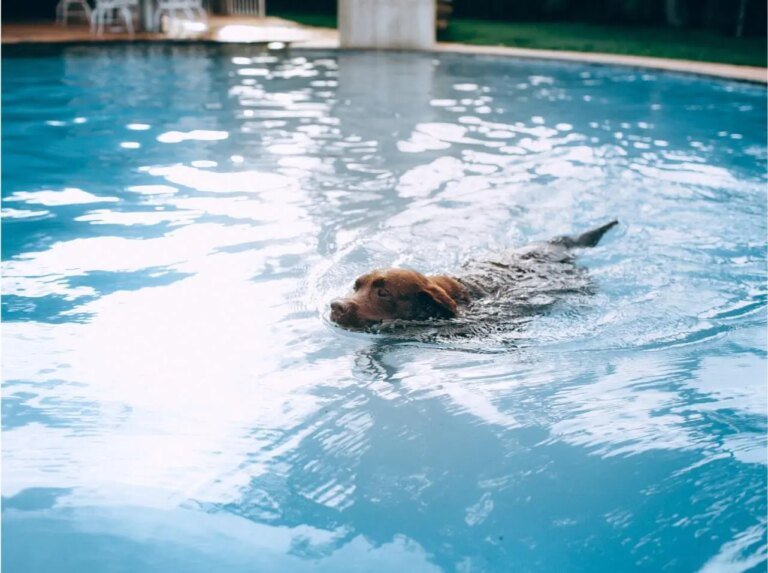
Is The Swimming Pool Safe For Your Pets?
The pool is a great place for your family and pets to spend their summers. It’s the perfect solution to cooling down, soaking up some